Hotel Data Analytics in Africa: How Smart Hotels Are Turning Numbers Into Revenue
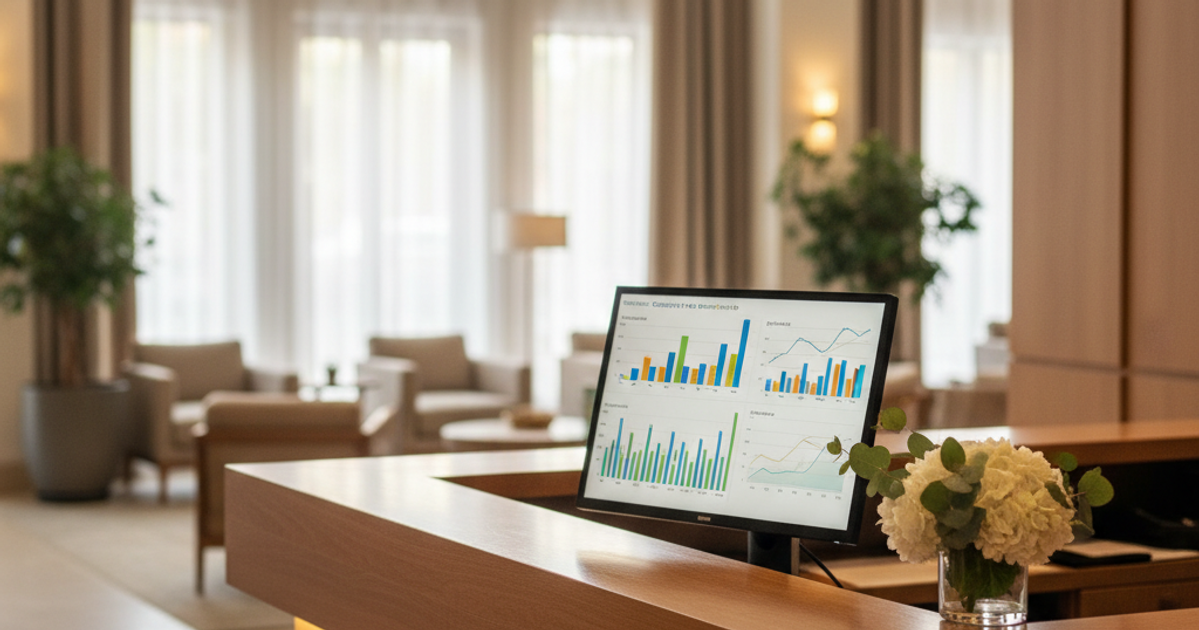
Every night, thousands of hotels across Africa generate massive amounts of data — booking patterns, guest preferences, seasonal trends, review scores, channel performance, and more. Yet the vast majority of this data sits unused in spreadsheets, PMS systems, and OTA dashboards that no one has time to analyze.
The hotels that are pulling ahead in Africa's competitive hospitality market aren't necessarily the ones with the biggest marketing budgets or the fanciest lobbies. They're the ones that have figured out how to read their own data — and act on it.
Why Hotel Data Analytics Matters More in Africa Than Anywhere Else
African hospitality operates in a uniquely volatile environment. Seasonal swings can be extreme — a safari lodge in the Masai Mara might see 95% occupancy in July and 20% in April. Currency fluctuations affect inbound tourism pricing. Political events, weather patterns, and even visa policy changes create demand shocks that European or American hoteliers rarely face.
This volatility is precisely why data analytics isn't a luxury for African hotels — it's a survival tool. Hotels that rely on gut feeling and last year's rates are leaving money on the table during peak periods and bleeding cash during low seasons.
Consider this: a 2024 study by the African Tourism Board found that hotels using data-driven pricing strategies achieved 18-23% higher RevPAR compared to those using static rate cards. In a market where margins are already tight, that difference can mean the gap between profitability and closure.
The Five Data Streams Every African Hotel Should Be Tracking
Not all data is created equal. For African hospitality businesses, these five streams deliver the highest return on attention:
1. Booking Pattern Data
When do guests book? How far in advance? Which channels convert best? A city hotel in Nairobi will see very different patterns from a beach resort in Zanzibar. Understanding your specific booking curves lets you time promotions, adjust minimum stays, and allocate marketing spend where it actually converts.
2. Revenue and Rate Performance
Tracking ADR, RevPAR, and occupancy in isolation tells you very little. The magic happens when you analyze them together over time, by segment, by channel, and against your competitive set. Tools like RevenueIQ make this analysis accessible without needing a dedicated revenue manager with an MBA.
3. Guest Feedback and Sentiment
Online reviews on TripAdvisor, Google, and Booking.com aren't just reputation signals — they're structured data about what your hotel does well and where it fails. Maoni uses AI to analyze thousands of reviews and extract actionable themes, so you know whether guests are complaining about slow check-in, Wi-Fi quality, or breakfast variety — and how those issues trend over time.
4. Operational Metrics
Housekeeping turnaround times, energy consumption, F&B cost ratios, staff-to-room ratios — operational data reveals where money leaks. A hotel group in Lagos discovered through operational analytics that their laundry costs were 40% above benchmark, traced to an outdated vendor contract. One renegotiation saved them $45,000 annually.
5. Market and Competitive Intelligence
What are nearby competitors charging? How is destination-level demand trending? Flight search data, event calendars, and OTA rate shopping give you the context to make informed pricing decisions rather than reactive ones.
From Spreadsheets to Dashboards: The Analytics Maturity Curve
Most African hotels sit at the beginning of the analytics maturity curve — they have data but lack the tools or processes to use it systematically. The typical progression looks like this:
Level 1: Manual Reporting — Monthly occupancy reports pulled from the PMS, revenue tracked in Excel. This is where 70% of African hotels currently sit. Data exists but arrives too late to inform decisions.
Level 2: Automated Dashboards — Real-time visibility into key metrics through integrated dashboards. Data from PMS, channel manager, and review platforms flows into a single view. Decision-making becomes faster and more informed.
Level 3: Predictive Analytics — Using historical patterns and external signals to forecast demand, predict guest behavior, and optimize pricing automatically. This is where AI-powered tools like RevenueIQ operate — turning backward-looking data into forward-looking strategy.
Level 4: Prescriptive Analytics — The system doesn't just predict what will happen; it recommends specific actions. "Increase your standard room rate by 12% for the next two weekends based on event-driven demand surge" is a prescriptive insight.
The good news: African hotels can leapfrog directly from Level 1 to Level 3 by adopting modern cloud-based analytics platforms, much like the continent leapfrogged landlines to go straight to mobile.
Real-World Impact: Three African Hotels Using Data Analytics
Case 1: A Boutique Hotel in Kigali
After implementing automated revenue analytics, this 45-room property identified that their corporate segment was being underpriced by 15% on Tuesday-Thursday stays. Adjusting rates for midweek corporate bookings added $8,200 per month in incremental revenue — without losing a single booking.
Case 2: A Safari Lodge Network in East Africa
By analyzing three years of booking data alongside flight search trends and event calendars, this lodge group built accurate demand forecasts six months out. They shifted 30% of their marketing budget from broad awareness campaigns to targeted promotions during predicted low-demand windows. The result: low-season occupancy increased from 28% to 41%.
Case 3: A Hotel Chain in West Africa
Using AI-powered review analysis through Maoni, management discovered that negative sentiment around "value for money" was concentrated in their mid-tier properties — not the budget or luxury segments. This led to a targeted upgrade program for mid-tier rooms, improving review scores by 0.8 points on Booking.com within six months and driving a measurable increase in direct bookings.
Getting Started: A Practical Roadmap
You don't need a data science team or a massive budget to start benefiting from hotel data analytics. Here's a practical four-step roadmap:
Step 1: Audit Your Data Sources (Week 1)
List every system that holds data — PMS, channel manager, POS, review platforms, social media, accounting software. Identify what's accessible via API or export.
Step 2: Define Your Key Metrics (Week 2)
Pick 5-7 KPIs that matter most for your property type. For a city hotel, that might be RevPAR by segment, booking lead time, and channel cost. For a resort, it might be average length of stay, ancillary revenue per guest, and seasonal occupancy curves.
Step 3: Centralize and Visualize (Weeks 3-4)
Bring your key data streams into a single dashboard. This can be as simple as a well-structured Google Sheet or as sophisticated as a purpose-built analytics platform like RevenueIQ.
Step 4: Build the Review Habit (Ongoing)
Data only creates value when someone looks at it and acts. Establish a weekly 30-minute data review meeting. Look at trends, anomalies, and opportunities. Make one data-informed decision per week. Over time, this compounds into a fundamentally different way of running your hotel.
The Competitive Window Is Open — But Closing
Right now, early adopters of hotel data analytics in Africa enjoy a significant competitive advantage simply because so few properties are doing it well. But that window is closing. As international hotel chains expand across the continent bringing their analytics capabilities with them, independent and regional hotels that don't develop their own data competency will find it increasingly difficult to compete.
The tools are more accessible and affordable than ever. The data already exists in your systems. The only missing piece is the decision to start using it.
Ready to turn your hotel's data into actionable insights? Book a demo to see how Edrene's AI-powered analytics can help your property compete smarter, price better, and grow faster.
Ready to transform your business?
See how Edrene Technologies can help you make smarter decisions with AI.
Request Demo